
Bitcoin has lost more than half its value from October’s record highs, but many long-term investors say the selloff hurts emotionally, not strategically.
After posting its worst week since the FTX collapse, Bitcoin briefly fell to around $60,000, down over 50% from its all-time high near $126,000 reached in October 2025. The CoinDesk Bitcoin Price Index declined by more than 15% over the week, as broader markets were affected by sharp swings across tech stocks, metals, and volatility gauges.
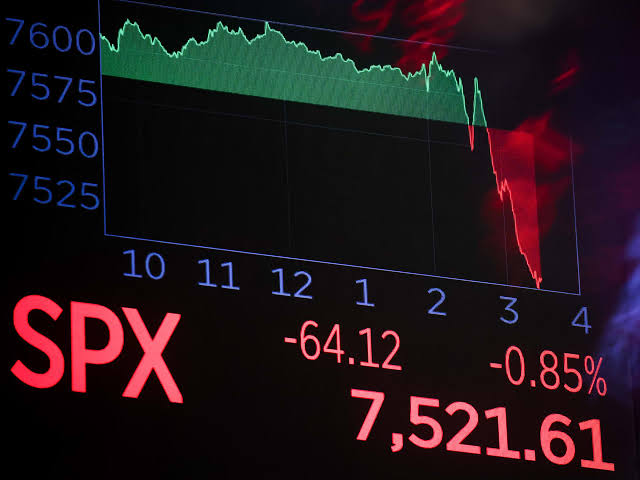
The drop came during a turbulent stretch for global assets. Software stocks sank, briefly pushing the S&P 500 into negative territory for the year, while gold and silver extended losses after last week’s selloff. The Cboe Volatility Index climbed to a two-month high as risk aversion surged.
“Volatility is the price of admission”
Despite the drawdown, some retail investors doubled down.
Corey Geho, who has been buying bitcoin regularly since 2015, said the crash did not change his strategy. He continued to buy at both the highs near $120,000 last year and again during the recent drop. Having held through the 2018 and 2021 crypto winters, Geho says repeated crashes have not shaken his conviction.
“Volatility is the price of admission with bitcoin,” he said, adding that pullbacks do not undermine his view of bitcoin as an alternative asset. Thanks to years of dollar-cost averaging, his cost basis is now nearly $26,000, leaving him comfortably in the black even after the selloff.
Newer investors feel the pain
Not everyone is insulated. Tayleb Brooks, who entered the market in late 2024 near $67,000, saw his position turn negative for the first time this week. While he is not selling, Brooks said the decline highlights how bitcoin has changed.
He argues that futures, options, and other derivatives have diluted bitcoin’s original appeal as a decentralized asset with fixed supply, allowing traders to speculate on price without owning the underlying coin.
Conviction still intact
Other long-term holders say the narrative has not changed. John, a retired investor in California who has held bitcoin since 2019, described the asset as financial insurance rather than a short-term trade. The recent drop, he said, “hurts a little,” but it is familiar territory.
His takeaway after years in crypto is simple: if you cannot tolerate sharp swings, bitcoin is not for you.
Bitcoin’s plunge has challenged the idea of it as a smooth hedge in times of stress, especially as it trades alongside risk assets. But for many retail investors, the latest crash is seen less as a breaking point and more as another chapter in a market defined by extreme volatility and long memories.
Disclosure: This article does not represent investment advice. The content and materials featured on this page are for educational purposes only.
Related: Bitcoin Hits Lowest Level Since 2024 as Stocks Slide