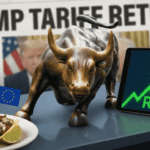
US stocks closed mixed on Friday, ending a volatile week with back to back weekly losses as easing geopolitical fears collided with fresh pressure from the technology sector and a sharp selloff in Intel.
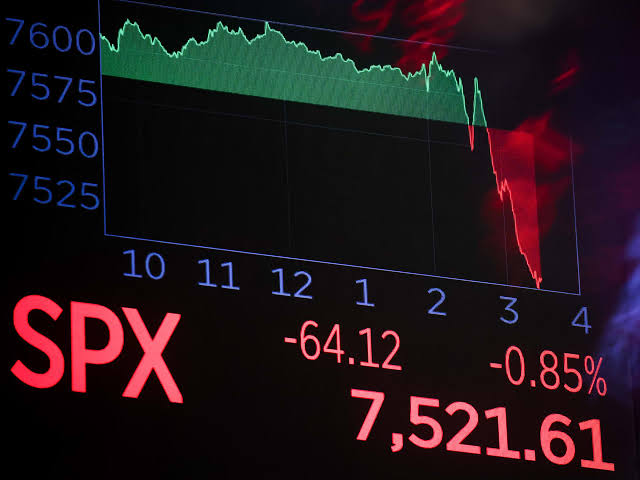
The S&P 500 finished nearly unchanged, rising just 0.03% to 6,915.61, while the Nasdaq Composite gained 0.28% to 23,501.24, supported by strength in major chip stocks. The Dow Jones Industrial Average lagged behind, falling 285 points, or 0.58%, to 49,098.71, dragged lower by a steep decline in Goldman Sachs and renewed worries about corporate earnings.
Despite a late week rebound, all three major indexes posted their second consecutive weekly loss. The Dow fell about 0.5% for the week, the S&P 500 lost roughly 0.4%, and the Nasdaq slipped slightly.
Tech supports Nasdaq, Intel shocks the market
Technology stocks were the main source of support on Friday.
Nvidia rose 1.5% and AMD gained 2.3%, helping lift the Nasdaq and stabilize the broader market. The rally followed reports that Nvidia CEO Jensen Huang plans to visit China in the coming days, fueling optimism around chip demand and easing trade tensions.
Microsoft and other mega cap technology names also posted modest gains.
The positive tone in tech was offset by a brutal selloff in Intel, which plunged more than 17% after issuing disappointing first quarter guidance. The chipmaker warned of weak demand for its server processors used in AI data centers and reported a swing to a quarterly loss, raising new doubts about its turnaround plan.
Greenland tensions fade, but volatility lingers
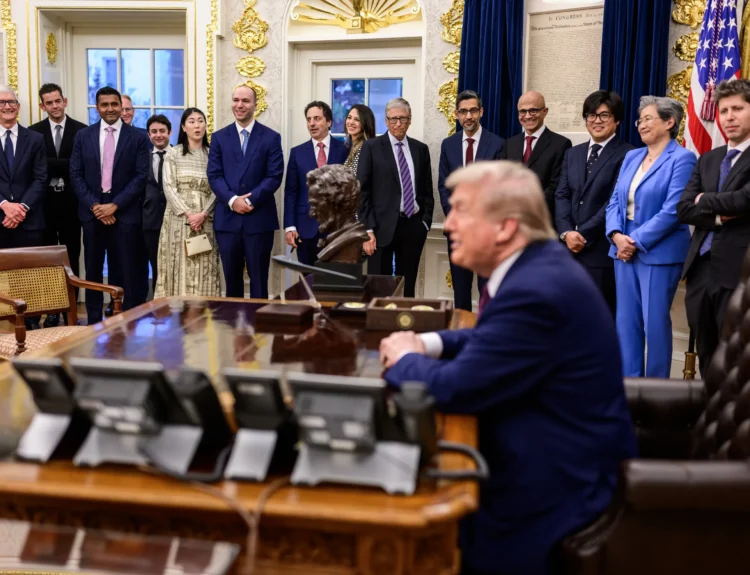
Markets had rebounded earlier in the week after President Donald Trump called off planned tariffs on eight European countries and announced a “framework of a future deal” with NATO on Greenland.
The reversal eased fears of a transatlantic trade war and sparked two days of strong gains on Wednesday and Thursday, reviving talk of the so called “TACO trade”, a reference to Trump backing away from aggressive tariff threats.
More about: What Trump’s Greenland “TACO” Means for Markets
Still, uncertainty remains.
Greenland’s prime minister said he does not know what the proposed deal includes and stressed that any agreement must respect the island’s sovereignty. Meanwhile, investors continue to monitor shifting US EU relations and the broader geopolitical landscape.
“This week showed how quickly sentiment can turn,” said Scott Ellis of Penn Mutual Asset Management. “Investors are watching closely to see whether rhetoric cools or flares up again.”
Flight to safety builds as gold surges
While stocks stabilized, risk aversion showed up elsewhere in markets.
Gold climbed to its best weekly performance since 2020, while silver surged above $100 per ounce for the first time, reflecting rising demand for safe haven assets as geopolitical tensions and policy uncertainty persist.
The dollar also weakened as investors rotated out of US assets, adding to pressure on equities late in the week.
Eyes on Fed and earnings next week
Looking ahead, markets face a heavy slate of catalysts.
Investors are bracing for a major earnings week, with results due from several technology and financial heavyweights. The Federal Reserve will also meet next week to decide on interest rates, while President Trump said he will soon announce his choice for the next Fed chair.
With earnings momentum slowing and politics still driving sharp swings, volatility is likely to remain elevated.
For now, Wall Street ends the week steady on the surface, but with growing signs that investors remain cautious beneath the calm.
Disclosure: This article does not represent investment advice. The content and materials featured on this page are for educational purposes only.