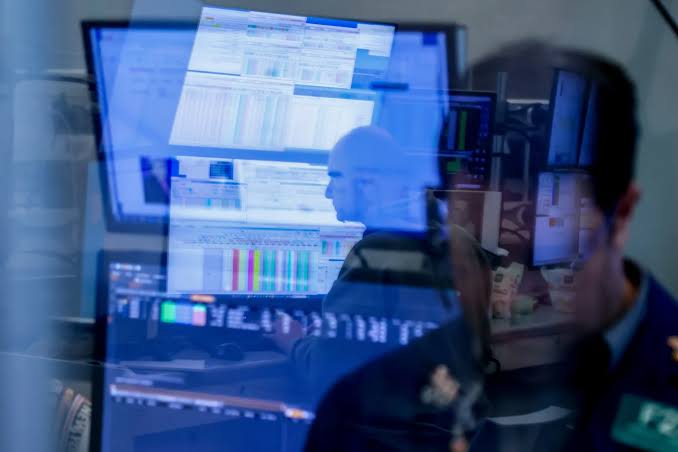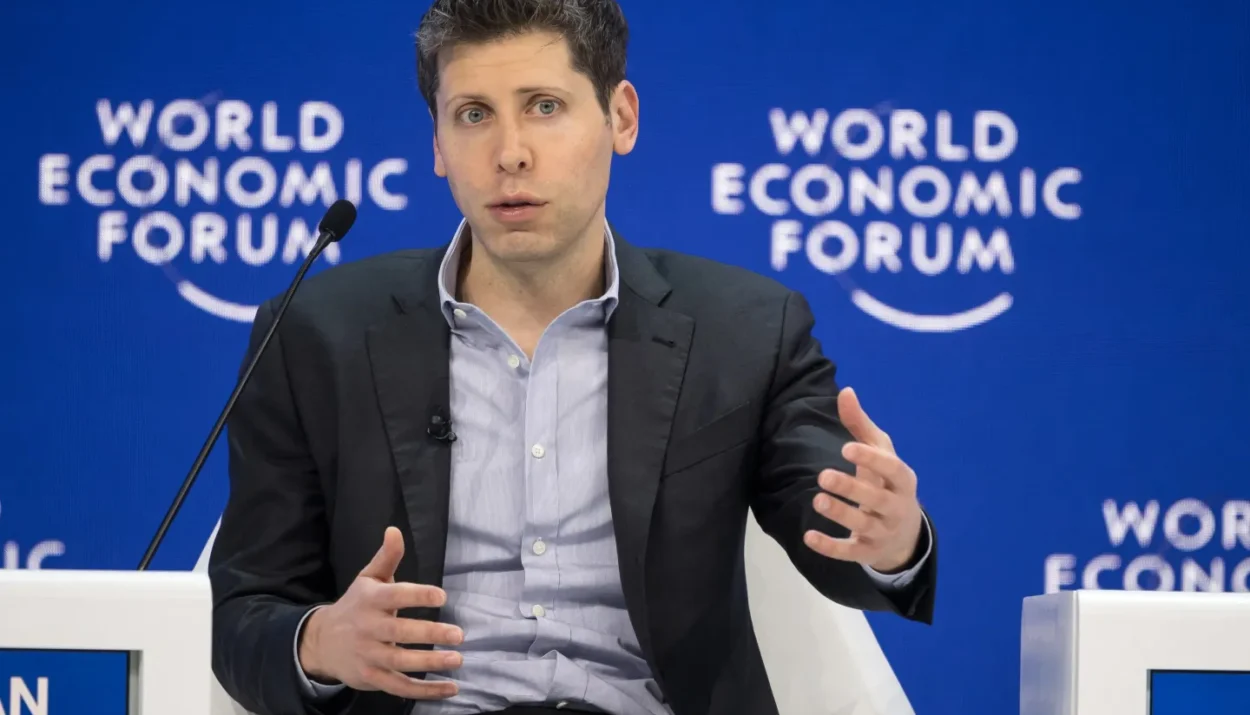

This year’s World Economic Forum in Davos is looking less like a political gathering and more like a global artificial intelligence summit, as tech leaders flood the Swiss resort to promote AI as the new engine of social progress.
More than 48 sessions at WEF 2026 are focused on AI, with companies presenting the technology as a solution to everything from cancer research to job training and misinformation. Walking through Davos, visitors now pass “AI houses” run by firms like Anthropic, Mistral, Writer, and Qualcomm, showing how central the technology has become.
AI Replaces Old “Social Good” Messaging
For years, Davos was known for speeches about sustainability, equality, and saving the planet. This time, many companies are replacing that message with AI.
Instead of climate pledges and social programs, executives are now presenting AI as the new form of altruism, a tool that can empower workers, improve healthcare, and reshape education.
At the same time, business interests remain clear. Deals, partnerships, and investment talks are happening everywhere behind the scenes.
Big Names, Big Presence
This year’s guest list is heavy with tech power.
Among those attending or speaking are:
- Microsoft CEO Satya Nadella
- Nvidia CEO Jensen Huang
- Amazon CEO Andy Jassy
- Anthropic CEO Dario Amodei
- OpenAI CFO Sarah Friar
- Google DeepMind CEO Demis Hassabis
Even President Donald Trump is making an appearance at the newly created USA House, where discussions will cover AI, digital assets, and defense.
Governments Join the AI Race
Countries are also stepping up. New national pavilions from Nigeria and Saudi Arabia highlight how governments now see AI as a strategic priority.
A major theme this week is “sovereign AI”, meaning countries building their own AI systems and data centers to reduce dependence on foreign technology.
Promises and Warnings
Several announcements are already shaping the agenda.
More than two dozen tech companies pledged to help train 120 million workers by 2030 with AI tools. WEF also released new research showing growing use of AI in productivity and business operations.
But risks are also rising. A new WEF survey ranked AI among the top five global concerns, behind climate threats and misinformation.
Experts are warning about:
- Job losses from automation
- Energy use from large AI systems
- Who will control advanced AI in the future
Big Questions Over Davos
As AI dominates Davos, key questions remain unresolved:
Can the world expand AI without worsening energy and climate problems?
Who should govern advanced AI systems, governments or private companies?
Are leaders here to shape the future responsibly or mainly to strike deals?
For now, Davos 2026 has a clear message: Artificial intelligence is no longer just a business tool. It is the new centerpiece of global politics, economics, and power.
Whether it truly becomes a force for good or simply a new battleground will depend on what happens after the speeches end.
Related: Trump’s Greenland tariffs: What’s Europe’s ‘trade bazooka’ option to hit back?