
Oil markets reacted sharply on Tuesday after President Donald Trump canceled meetings with Iranian officials and publicly backed protesters in Iran, fueling concerns about potential supply disruptions.
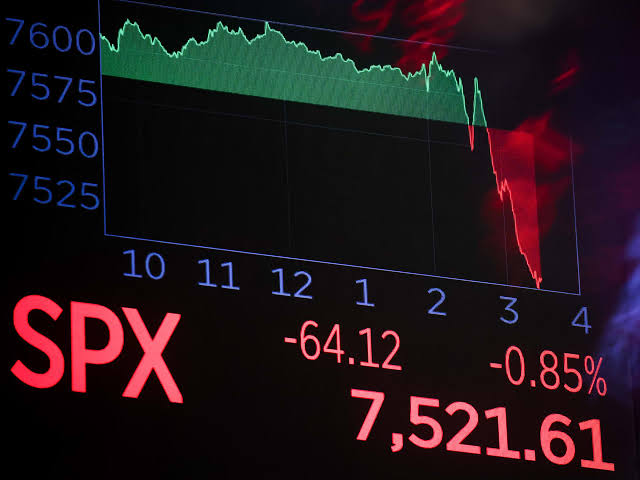
Crude prices surged more than 2 per cent as traders weighed rising geopolitical risks in a region central to global oil production.
US crude settled up $1.65, or 2.77 percent, at $61.15 per barrel. Global benchmark Brent gained $1.60, or 2.51 percent, to close at $65.47 per barrel.
Protests in Iran raise supply concerns
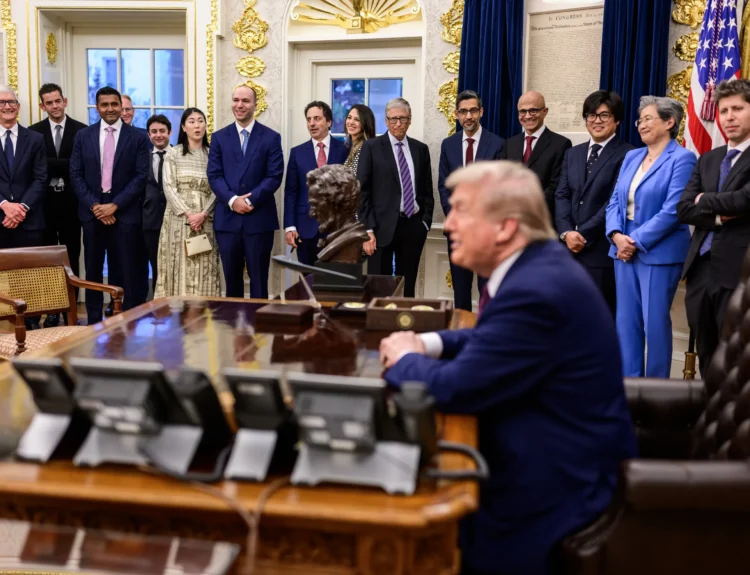
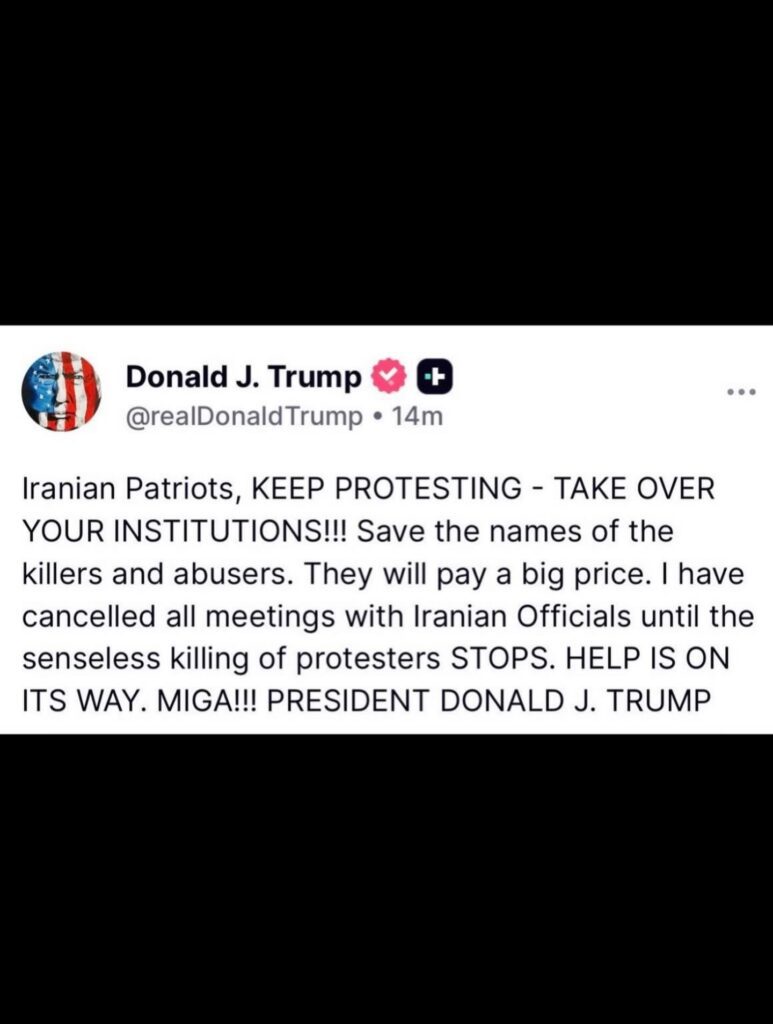
The price move followed Trump’s comments on Truth Social, where he directly addressed Iranian protesters and warned Tehran’s leadership.
“Iranian Patriots, KEEP PROTESTING – TAKE OVER YOUR INSTITUTIONS!!! Save the names of the killers and abusers,” Trump wrote.
“They will pay a big price. I have cancelled all meetings with Iranian Officials until the senseless killing of protesters STOPS. HELP IS ON ITS WAY. MIGA!!!”
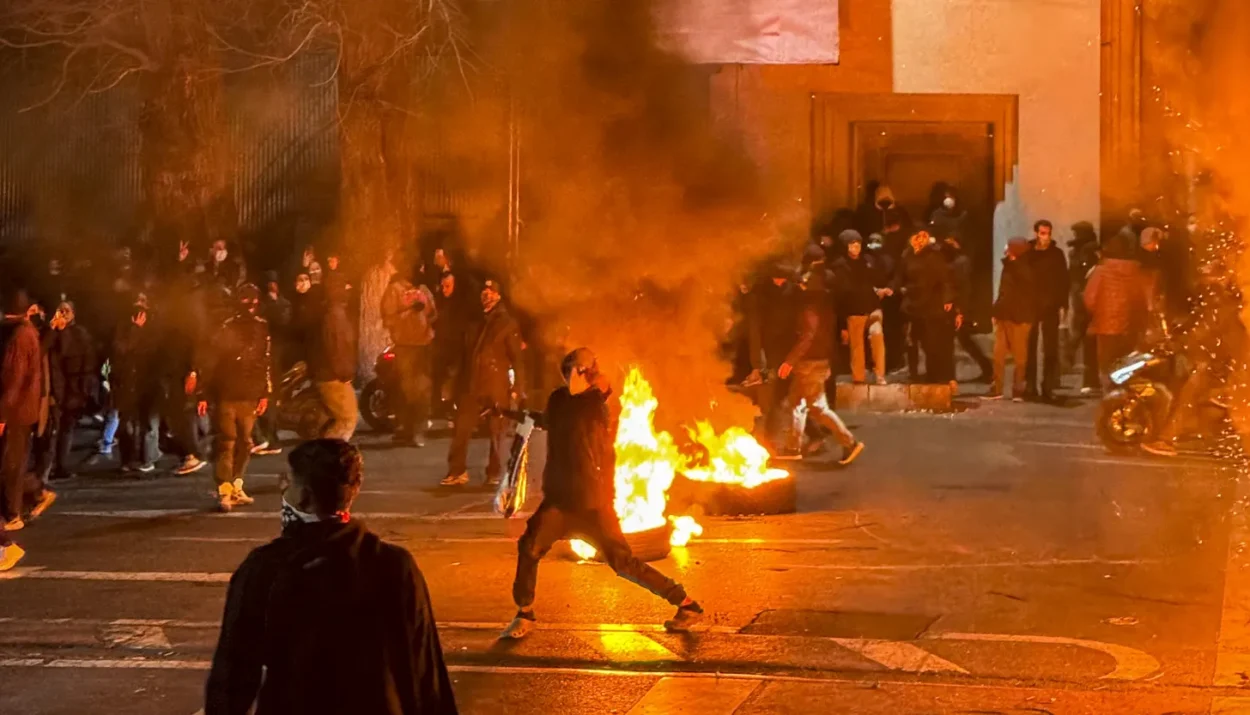
Iran has seen large-scale demonstrations since late December, initially sparked by economic grievances before spreading to universities and other cities. Reports indicate that security forces have cracked down aggressively, with hundreds of people believed to have been killed, though the government’s internet shutdown has made independent verification difficult.
Why oil markets are reacting
Iran is a key member of OPEC and one of the world’s major crude exporters. Any threat to its oil production or export capacity immediately draws attention from energy markets.
Traders are now watching whether the unrest could escalate into broader instability or provoke international intervention. Trump has repeatedly warned that the US would respond if Iranian authorities continue killing protesters, adding another layer of uncertainty.
A familiar geopolitical premium returns
The rally highlights how quickly geopolitical risk can return to oil prices. Even without an actual supply disruption, markets tend to price in a risk premium when tensions rise in major producing regions.
For now, oil traders are focused on headlines out of Iran and Washington. Whether prices continue climbing will depend on how the situation evolves on the ground and whether diplomatic pressure turns into concrete action.
What is clear is that, once again, politics rather than pure supply and demand is driving the oil market narrative.
Disclosure: This article does not represent investment advice. The content and materials featured on this page are for educational purposes only.
Disclosure: This article does not represent investment advice. The content and materials featured on this page are for educational purposes only.
Related: Big Banks Kick Off Earnings Season as Inflation Data Takes Centre Stage: What to watch this week